


I’ve been thinking about something that’s been bubbling under the surface for a while now, and it’s finally time to say it out loud: we are witnessing the rise of the alt-black.
What’s the alt-black? Well, “alt” is short for alternative. You probably already understand the idea of the “alt-right”—an extremist faction of right-wing individuals with rigid beliefs about America, who belongs here, and what “being American” even means. Now imagine a parallel version in Black America. Not politically identical, but similar in their extremes. That’s what I mean when I say “alt-black.”
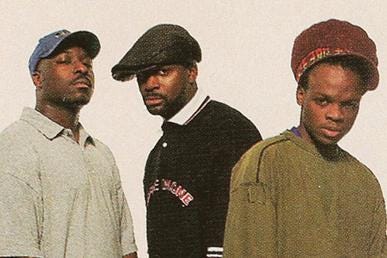
The alt-black is a faction of Black folk who hold extreme views about Blackness. They set hard rules about who is truly Black, what traditions we should uphold, and what ideas are worthy of our loyalty. I call them “alt” because of their exclusionary mindset. And years ago, I used to jokingly call them the poor righteous teacher class—shoutout to the hip-hop group of the same name from the late 80s and early 90s. Not because they’re literally poor, but because they see themselves as being “of the earth,” righteous in their beliefs, and teachers of the “real” truth about Blackness.
They’re the ones who—often after a few African American Studies classes in college—decide they’re more knowledgeable about Black history than everyone else. That intellectual edge, real or imagined, becomes their authority. If you don’t believe what they believe, you’re out. And it’s not just disagreement—it’s a dismissal of your authenticity as a Black person.
This came up for me again during the Kendrick Lamar vs. Drake beef. People say Drake lost, and maybe that’s true, but what stood out to me was how Kendrick leaned into these alt-black ideas and leveraged them in his battle with Drake. In 2025, it’s often those who see hip-hop as sacred, who carry that quasi-intellectual swagger, who believe they represent the “true” Black America and everyone else is simply posing as Black.
You see it in other cultural debates too—like the ones around Jack and Jill or Oak Bluffs on Martha’s Vineyard. The alt-black loves to draw lines. Being a Black American with Black lineage isn’t enough. Your work, your contributions to the community—irrelevant. All that matters is your alignment with their beliefs.
So, what’s wrong with being Alt Black?
Here’s the problem: the alt-black divides us. They create factions and loyalties that only extend to those who see the world exactly as they do. “They not like us” becomes the anthem—literally, since They Not Like Us became a kind of rallying cry for this mindset. The phrase gets deployed whenever someone needs to mark another person as “not one of us,” even if that person is Black.
But here’s the ironic part: alt-black individuals often present themselves as having all the answers, yet if you look closely at their lives, there’s usually turmoil—strained relationships, unreliability, poor communication, bouts of depression, and other challenges. Instead of addressing these issues internally, they point to the world as the problem. It’s the external circumstances, the “system,” the “them” that explain why they haven’t become who they want to be.
In truth, what holds them back isn’t Blackness. It’s the lack of execution, consistency, discipline, coalition-building, and collaboration. In 2025, it’s their inability to build, collaborate, and stand up counter-systems that actually prevent US from thriving. But it’s easier to paint the problem as someone else’s fault than to address those gaps.
I believe the alt-black has been slowly growing for more than a decade. You’ll notice them most in pop culture debates, where they tend to take definitive sides rooted in their rigid beliefs. Over the coming weeks, I’ll be writing more about how the alt-black shows up—and how their version of “unity” actually deepens divisions, especially within the Black community.
If you’ve got thoughts on this, I’m sure some of you will disagree (and I’m ready for it), drop your comments below. And if you’re not subscribed to Chess not Checkers yet, now’s the time—because we’re just getting started with this conversation.